Choosing a channel manager in 2026: the questions that actually matter
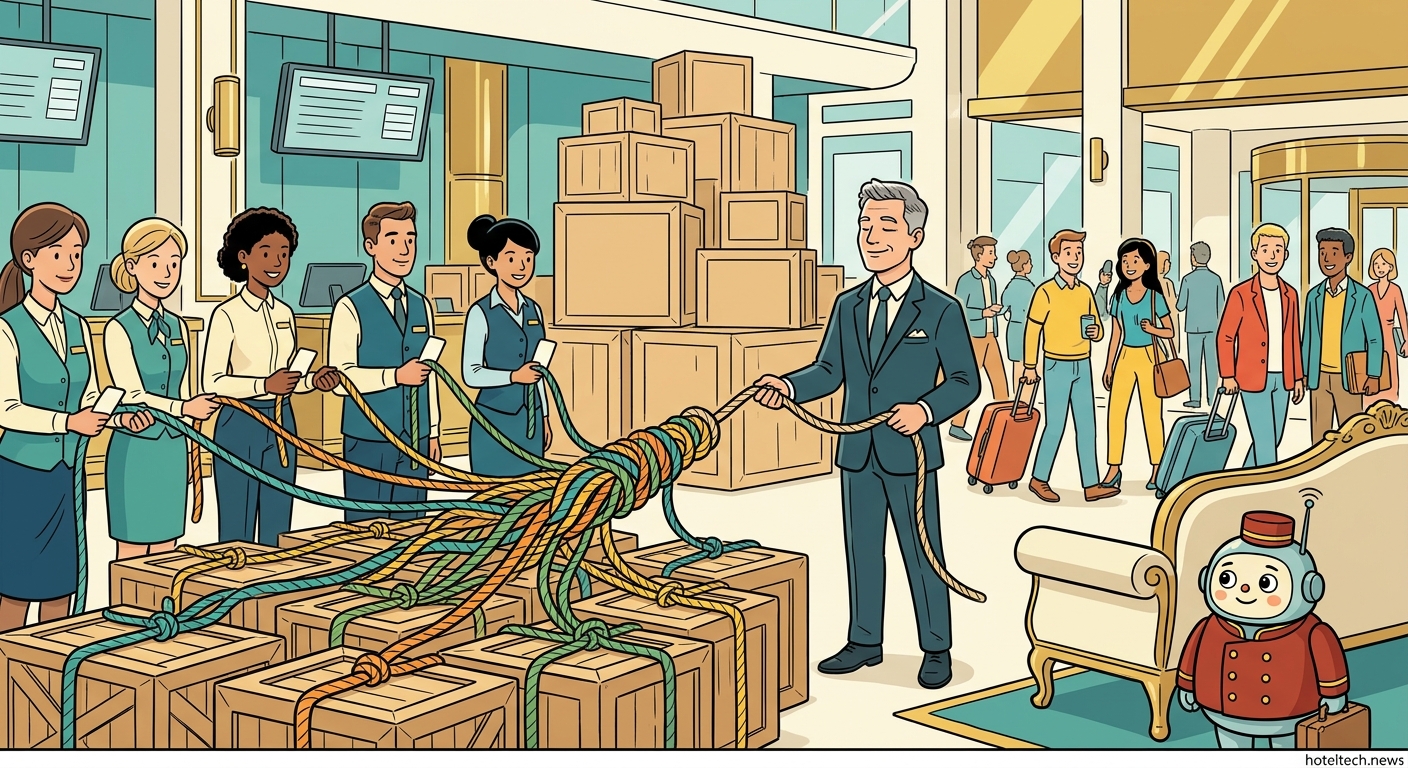
Choosing a channel manager in 2026: the questions that actually matter
You've been negotiating with three channel manager vendors for months. They all talk about integrations, sync speed, beautiful dashboards, and 24/7 support. They all promise the same thing. Then you sign with whoever has the best PMS relationship or gives you a discount on year one.
Wrong move. That's where the trouble starts.
A channel manager is the blood between your inventory and the market. Get it wrong and it costs you in occupancy, average rate, and staff time. In 2026, it's trickier because the distribution ecosystem is more fragmented, more competitive, and more demanding than ever.
Stop asking what you already know
Forget "how many channels do you integrate?" They all integrate Booking, Expedia, Airbnb, and twenty more. What matters is what happens when something breaks. What if a channel rejects a booking because your PMS took five minutes to drop inventory? How does the manager handle it? Do you see it in real time or do you find out from a lost reservation?
Don't ask about price per booking or price per hotel either. Ask about the real cost structure. Some vendors charge low per-booking fees but bury a platform fee. Others sell integrations as paid add-ons.
What matters now
What happens to your data when you leave? This is critical. You have booking history, occupancy patterns, rate calendars configured in that channel manager. If you switch, do you get a clean export or is it a nightmare? Some vendors make it hard to leave. Ask how easy an exit is.
How does it handle rate validation and overselling? Not all channel managers handle overbooking the same way. One that syncs every thirty seconds saves you. One that does it every ten minutes creates a problem every two weeks. With a fifty-room hotel and three live channels, that's not theory. That's operations.
Who fixes it when things break? There's a difference between support that opens a ticket and waits forty-eight hours, and support that gets someone into your account to look at the problem while you're on the phone. The difference is occupancy on that day.
How fast can you change rates? In 2026, pricing doesn't wait. If you need to adjust tariffs for an event, a business group, or a correction, is that five minutes or thirty? Does it sync to all channels instantly or are there gaps?
The uncomfortable question
This is the one you never ask: how many of your current customers are hotels like mine? If the vendor pitching you specializes in two-hundred-room luxury resorts and you have a thirty-room boutique, it's a bad fit. The support they give one doesn't work for the other. Priorities are different.
Then ask: what happens if we grow? If you expand from forty to one hundred rooms in two years, does the channel manager scale cleanly? Can they show you customers who've done it?
My take
In my view, a channel manager today isn't chosen for brilliance. It's chosen for operational reliability and for who actually fixes things when they break. Features are showmanship. Everyone has the same stuff. What sets them apart is how fast someone gets into your system on a Friday afternoon at three o'clock and how easy it is to leave if they don't deliver.
Ask the uncomfortable questions. Get a reference from someone using your same PMS, with a similar size hotel, who's been with them for at least eighteen months. If they can't give you that, walk.
Quick questions
What separates a good channel manager from a bad one?
How many integrations should a channel manager have?
How do I know if a channel manager will scale with my hotel?
Companies
The hotel tech and travel tech companies we follow, plus the ones surfacing in today's news.
- In today's news
- HiJiffyConcierge virtual con IA de origen portugués que centraliza WhatsApp, webchat y redes sociales para responder al huésped y captar reservas directas. Muy popular en la hotelería del sur de Europa.
- Canary TechnologiesPlataforma de guest experience con IA: check-in digital, upselling automatizado, mensajería y voz para recepción. Una de las startups americanas de mayor crecimiento en tecnología orientada al huésped.
- D-EDGEFilial tecnológica de Accor centrada en distribución: motor de reservas, channel manager y marketing digital muy implantados en la hotelería europea. Opción sólida como socio único de venta directa y distribución.
Was this article useful?
The daily brief
The hotel tech brief, in your inbox
PMS, revenue, distribution, AI and travel tech startups. One sharp email a day. Free.
The brief hoteliers who buy technology read every morning.
Editorial content by Hotel Tech News. It may contain errors. Verify anything important with the original source.
This article may mention third-party products, companies or services for informational purposes. Hotel Tech News does not endorse them and is not responsible for them or for what they offer. Editorial content curated by the Hotel Tech News team.